Richard SimmsProduct design, AI and the craft of building
When building gets cheap, deciding gets expensive
I build with AI every day, and the work almost never stalls on making. It stalls on choosing a direction, getting agreement and waiting for someone to decide. In AI products, every one of those decisions comes back to whether the person using it has a reason to trust it.
Get in touch
When producing more becomes easy, how can design help teams and customers spend their attention well?
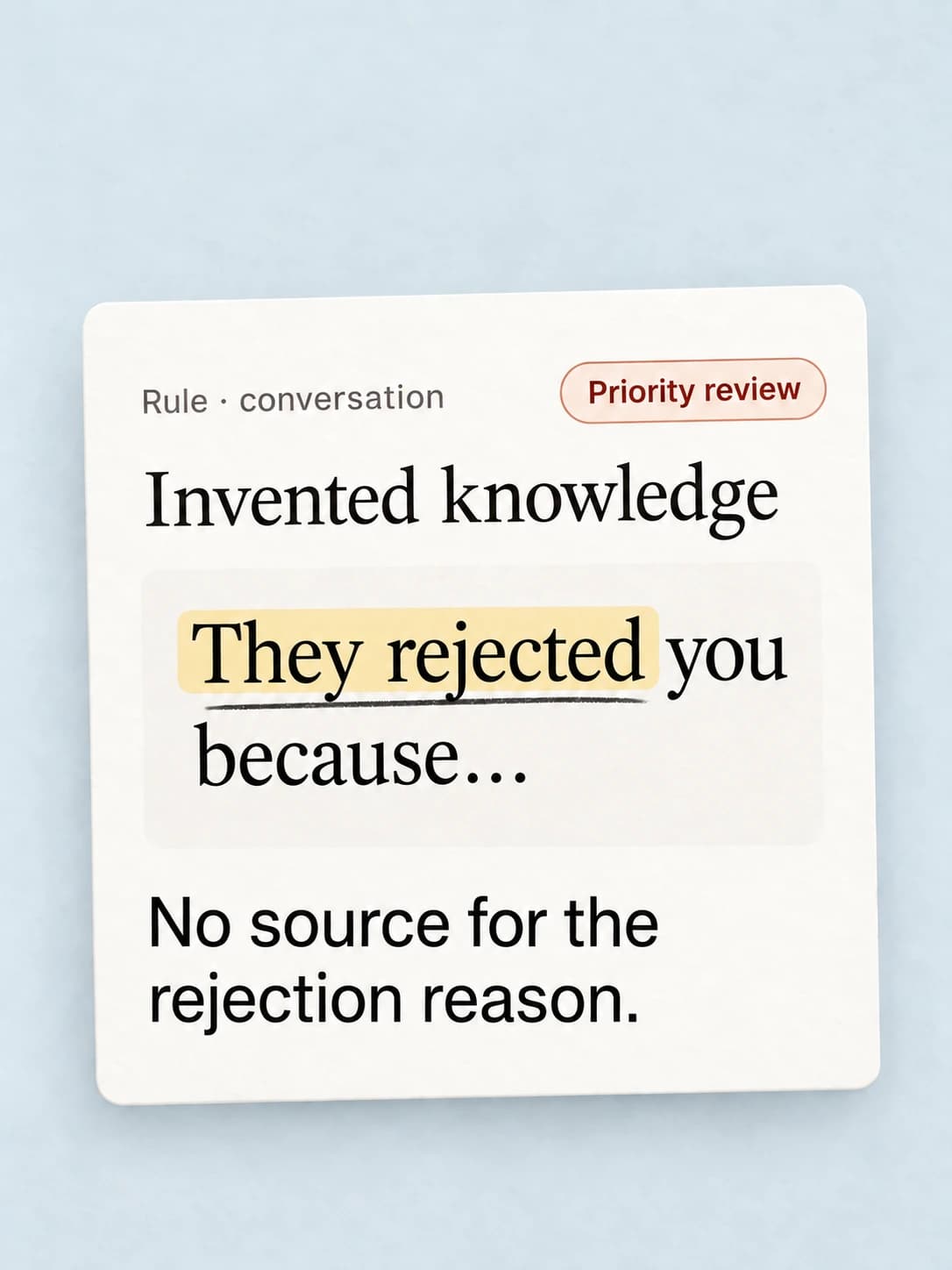
An agentic product is a system, not a screen. I map what each agent knows, what it can do, what the person can correct and who owns the outcome. Actions that make sense one at a time can add up to a result nobody would sign off on, so I check the whole system as well as each part. Trust is made or lost in the gaps between agents, where a preference becomes a commitment and where uncertainty reaches the person or doesn’t.
A future-state vision without a map of how the agents work together is a poster. I only keep a map if it exposes a missing decision or an untested assumption, and I test it with a small working slice.
I decide when the product asks, explains, offers a choice, acts or stays quiet. Voice, personality, encouragement, memory and identity are design decisions, and each one shapes what a person believes about the system. Taste is repeated, coherent choices about behaviour. I write them down as standards that a team and a model can both apply.
Cheap prototypes make every idea look feasible, so choosing gets harder. With the team I decide what deserves attention and what we leave alone. I use working prototypes to make choices concrete, expose disagreements and test assumptions against real customer behaviour.
I connect customer understanding, system behaviour and craft, then follow through to see whether the decisions improved the experience.
When producing more becomes easy, how can design help teams and customers spend their attention well?